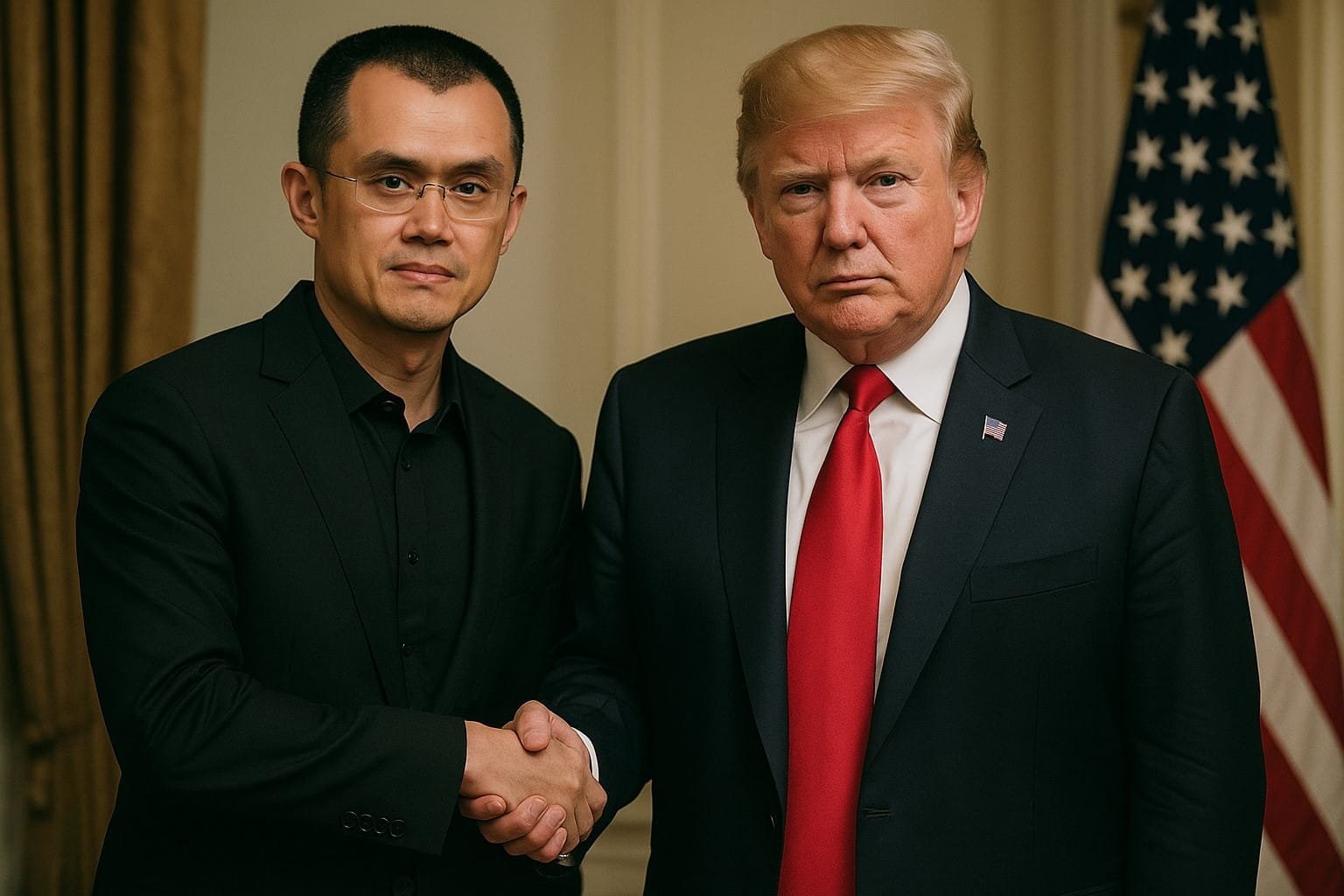

As Donald Trump prepares to be sworn in as U.S. President on January 20, many in the cryptocurrency sector are hopeful his administration will bring about favorable policies for the industry.
Yet, the longevity of such policies might hinge on the political dynamics in Washington, D.C., and the outcomes of future elections, according to insiders.
Adam O’Brien, CEO and founder of Bitcoin Well, a financial services firm specializing in Bitcoin, believes the continuation of Trump’s crypto-friendly agenda could depend on his successor. O’Brien remarked:

“If JD Vance ends up on the presidential ticket in 2029, it’s likely that Trump’s policies will have lasting influence. Vance is expected to play a significant role in shaping decisions and will likely align with much of Trump’s vision.”
O’Brien also warned that a shift in power—should Democrats regain control of the presidency or Congress in upcoming election cycles—could jeopardize Trump’s initiatives, particularly those implemented via executive orders, which are more vulnerable to reversal than laws passed through Congress.

Challenges in Lawmaking and the Midterm Hurdle
Joe Doll, general counsel for the NFT marketplace Magic Eden, recently explained that the Trump administration may face a narrow window to introduce crypto-friendly measures. According to Doll, Republicans’ slim majority in the House of Representatives is expected to flip in favor of Democrats during the 2026 midterm elections.
At the North American Blockchain Summit in Texas on November 20, former House Speaker Paul Ryan stressed the importance of bipartisan collaboration in crypto regulation. He noted that significant reforms would require 60 votes in the Senate, pointing out the razor-thin Republican margin of just four seats in the House.

Ryan also urged President-elect Trump to avoid weakening the GOP’s hold on the House by appointing sitting representatives to cabinet positions, as those individuals would have to vacate their congressional seats, triggering potentially contentious replacement processes.
Crypto Advocacy and Political Realities
Despite these challenges, Lee Bratcher, president of the Texas Blockchain Council, expressed optimism about the industry’s future. He argued that the outcome of the 2024 elections demonstrated substantial public support for crypto, which could discourage politicians from taking an anti-crypto stance.
“This last election cycle was decisive,” Bratcher said. “It would be unwise for members of Congress to openly oppose the crypto industry given the overwhelming momentum and pressure from advocacy groups.”
For more news, find me on Twitter Giannis Andreou and subscribe to My channels Youtube and Rumble
What is your opinion on this particular topic? Leave us your comment below! We are always interested in your opinion!