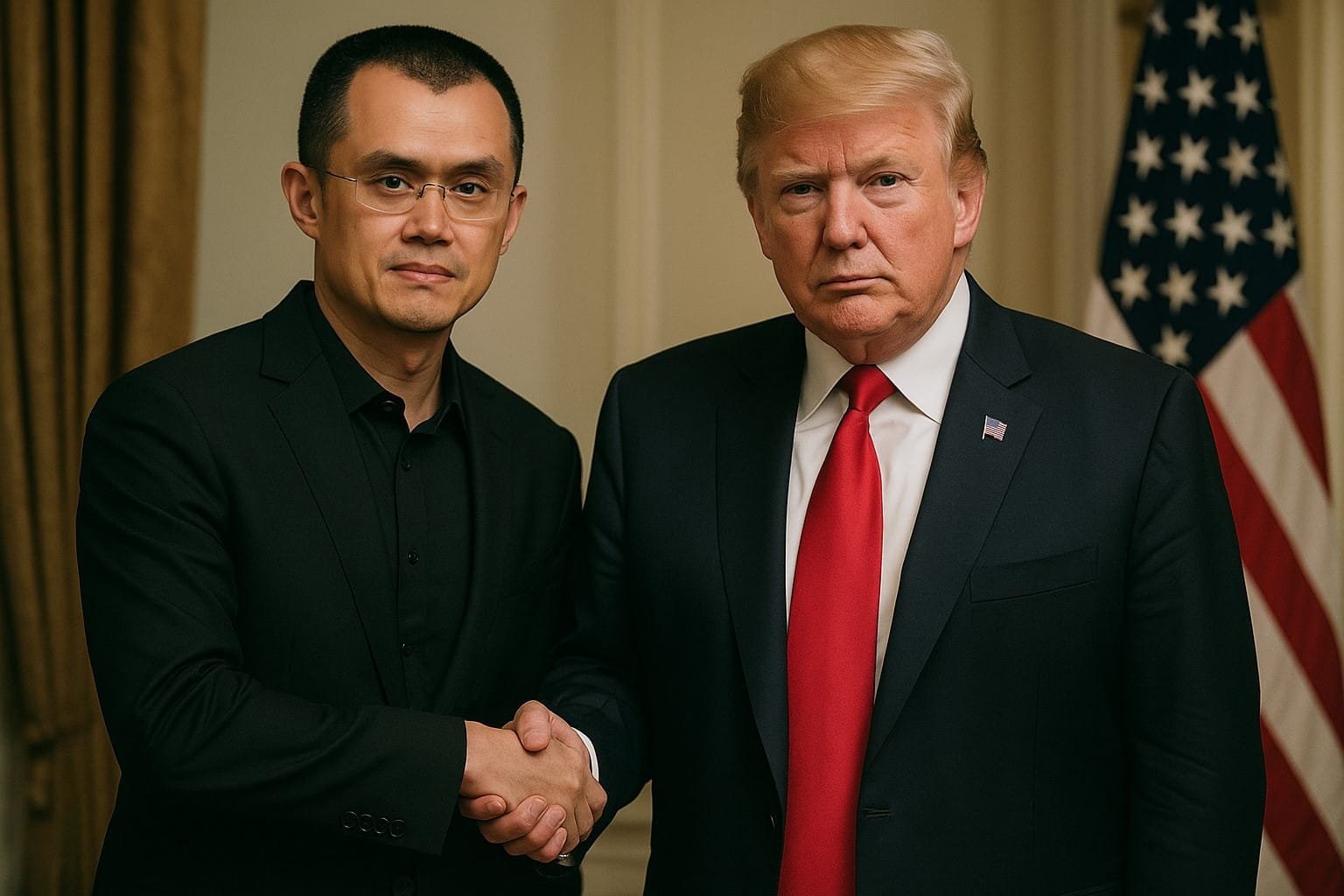

In a major step toward modernizing government operations, the Trump administration has finalized an agreement with OpenAI to implement the enterprise version of ChatGPT throughout all U.S. federal agencies.
The deal—announced Wednesday by the U.S. General Services Administration (GSA)—will allow every federal department to access the AI platform for a symbolic fee of just $1 per agency. The GSA, which handles procurement for the federal government, emphasized that this initiative is a key part of the White House’s recently unveiled AI Action Plan. The plan focuses on cementing U.S. leadership in artificial intelligence through a three-pronged approach.
While the government views the adoption of AI as a way to streamline and improve agency operations, critics are raising red flags. Concerns range from potential threats to civil liberties and data security, to the broader implications of AI-powered decision-making and centralized information control.


AI in Government: Balancing Innovation and Risk
Not all government agencies have embraced AI tools without caution. In 2023, the U.S. Space Force suspended the use of generative AI platforms—including ChatGPT—over fears that classified or sensitive data might be compromised. At the time, Lisa Costa, deputy chief of space operations for technology and innovation, noted that data handling protocols would need significant upgrades before widespread adoption in national defense settings.
Broader public skepticism around AI in policymaking is also on the rise. Sweden’s Prime Minister, Ulf Kristersson, recently admitted to using AI tools in decision-making processes, sparking debate about transparency and ethical boundaries. His office later clarified that no sensitive or classified material had been discussed with AI systems.
Data Privacy and Legal Implications
One of the most pressing concerns surrounding the use of large language models like ChatGPT is how user data is handled. These AI tools learn from vast amounts of online data and user interactions, which can raise significant privacy questions.
OpenAI CEO Sam Altman recently pointed out that conversations with ChatGPT aren’t shielded by privacy protections and could potentially be used as legal evidence. This reality has sparked debate among privacy advocates and tech leaders alike, who worry that centralizing sensitive information on third-party servers could pose long-term risks to user rights and digital security.
Download the FREE Bitcoin Mining eBook
Kickstart your mining journey with essential insights:
https://bitmernmining.com/landing-page-ebook-download/
For more news, find me on Twitter Giannis Andreou and subscribe to My channels Youtube and Rumble
What is your opinion on this particular topic? Leave us your comment below! We are always intere