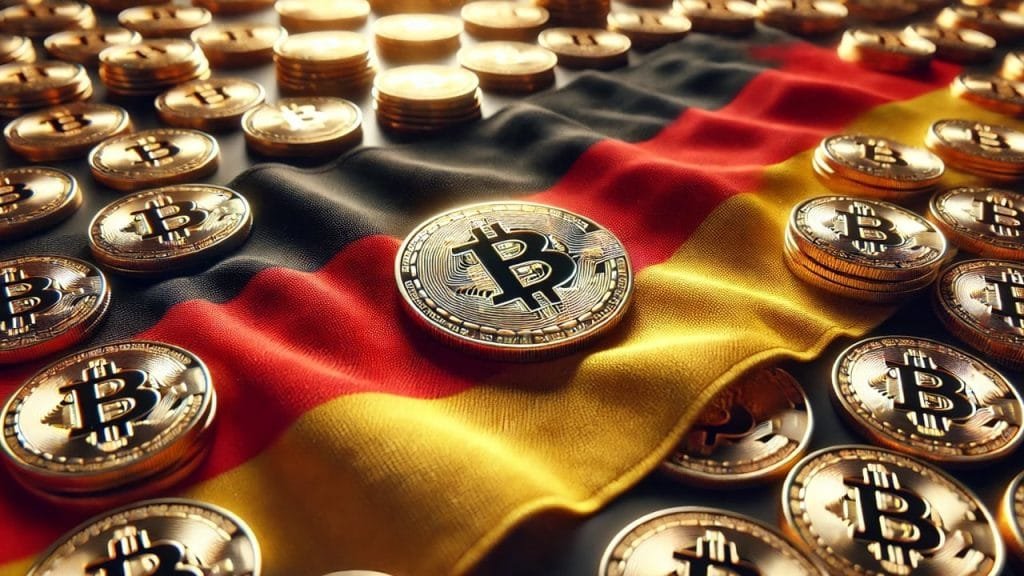
DekaBank has officially secured a crypto custody license under Germany’s Banking Act (KWG), positioning it alongside Commerzbank as one of the few traditional German banks entering the crypto sphere. However, in classic German fashion, this move is accompanied by a robust regulatory framework to ensure everything operates with precision.
While BaFin has issued crypto custody licenses to 11 firms so far, most have gone to crypto-focused entities such as the digital asset arm of Hauck Aufhäuser Lampe Privatbank.
DekaBank’s Strategic Licensing Moves
DekaBank and Commerzbank stand apart because their licenses adhere to conventional banking regulations, providing them with a credibility edge that smaller crypto companies can only aspire to achieve.

This isn’t DekaBank’s only regulatory win this year. In July, the bank obtained a license to act as a crypto securities registrar. In layman’s terms, this allows the bank to issue blockchain-based securities directly in Germany, bypassing the need for a central securities depository (CSD). This streamlining of processes aligns with the efficiency goals championed by the crypto industry.
DekaBank is also a founding member of SWIAT, a blockchain platform tailored for digital securities issuance. The initiative boasts heavyweight participants, including Standard Chartered and LBBW. Notably, Siemens utilized SWIAT in September to issue a €300 million digital bond.
Regulatory Evolution: Germany’s Measured Approach
Germany has been slow but deliberate in adapting its crypto regulations. The recently passed Supervision of Crypto Markets Act (KMAG), effective December 18, replaces older rules with a comprehensive framework aligned with the EU’s Markets in Crypto-Assets (MiCA) regulations. For institutions like DekaBank, this provides a clear path for expanding operations across Europe.
Germany’s cautious strategy toward crypto isn’t new. It was among the first countries to classify cryptocurrencies as financial instruments in 2013. In 2020, BaFin made licensing mandatory for all crypto exchanges, setting a high bar for compliance.
Although some might call Germany’s approach overly meticulous, it has proven effective. The country offers long-term investors a significant tax incentive: crypto held for over a year is exempt from capital gains tax. However, short-term gains are taxed at regular income rates of up to 45%, with an additional solidarity surcharge of 5.5%. On the bright side, small profits under €600 remain tax-free.
A Thriving Market with Challenges
Germany’s crypto scene is vibrant. A recent survey of 2,400 private investors revealed that 54% allocate more than 20% of their assets to digital currencies, with the average investor dedicating over a quarter of their portfolio to crypto.
Security concerns dominate investor priorities, with 82% citing platform security as the most critical factor when choosing where to invest. Bitcoin remains the most popular asset, held by 91% of investors, followed by Ethereum (78%) and the rapidly growing Solana.
This year also saw some major headlines, such as the government’s sale of 49,858 BTC for $2.89 billion, a cache seized during a piracy case.
For more news, find me on Twitter Giannis Andreou and subscribe to My channels Youtube and Rumble
What is your opinion on this particular topic? Leave us your comment below! We are always interested in your opinion!