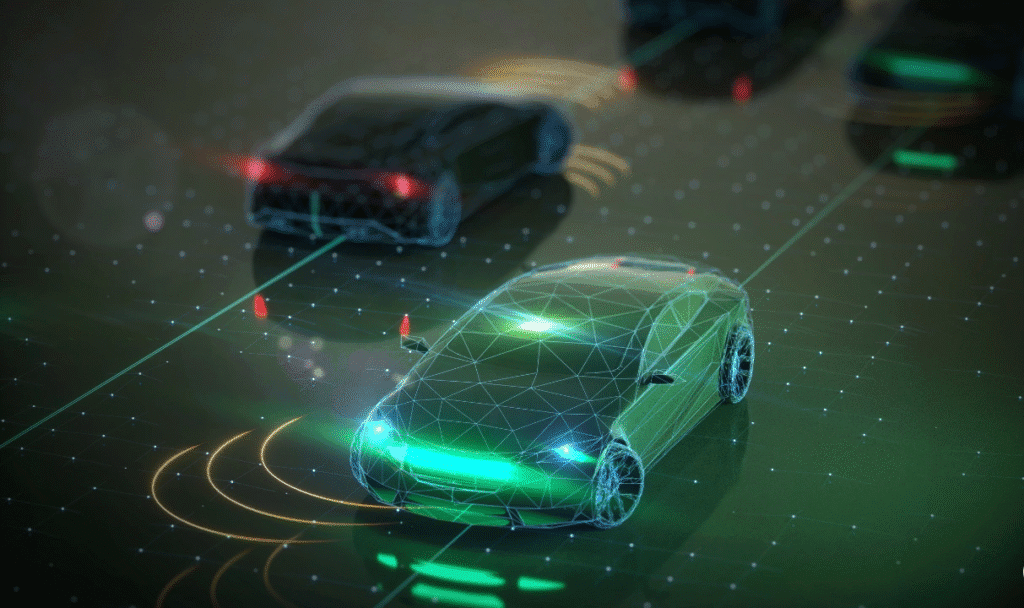
Avalanche, together with Toyota Blockchain Lab, is laying the groundwork for the next generation of autonomous mobility by developing the infrastructure needed for self-operating robotaxi fleets. The collaboration highlights how blockchain can become a core technology in the future of transportation.
At the heart of the project is the Mobility Orchestration Network (MON), a blockchain-based layer designed to build trust and unlock new value across the mobility sector. Leveraging Avalanche’s multichain framework and Interchain Messaging (ICM), the proof-of-concept aims to provide secure data exchange for use cases such as vehicle financing, insurance, ride-hailing, carbon credit tracking, and seamless ownership transfers in secondary markets.

According to Roi Hirata, head of Ava Labs Japan, MON could eventually pave the way for fully autonomous robotaxi fleets. Beyond just transportation, the model envisions onchain fundraising, leasing, and service management, allowing entrepreneurs to launch robotaxi businesses directly on the blockchain with the support of tokenized financing models.

“Payments, leasing, even starting your own robotaxi service — all of this can be managed onchain, from raising capital with security tokens to tracking your vehicles,” Hirata explained.
Challenges Ahead: Regulation and Manufacturing
Despite the promise, bringing the vision to life requires cooperation between manufacturers and regulators. Automakers remain the toughest group to engage, Hirata noted, as their participation is essential for enabling blockchain-based ownership records and compliance with official registries worldwide.
“Different countries keep vehicle records in different formats. Aligning manufacturers with blockchain infrastructure for unified recordkeeping is one of the biggest hurdles,” Hirata said.
Tokenized Mobility as a New Trend
The Avalanche–Toyota initiative could spark a broader trend in mobility tokenization, where vehicles and related services are represented as onchain assets. This shift would require a network of decentralized applications and supporting systems to track and manage mobility in real time.
Other players are already exploring Avalanche’s tokenization potential. For instance, Grove, a credit protocol supported by Steakhouse Financial, is working with asset manager Janus Henderson to tokenize up to $250 million in real-world assets (RWAs) on the Avalanche network.
As blockchain continues to expand into real-world sectors, robotaxi infrastructure and mobility tokenization may soon become one of the most impactful applications for both the auto industry and crypto investors.
Download the FREE Bitcoin Mining eBook
Kickstart your mining journey with essential insights:
https://bitmernmining.com/landing-page-ebook-download/
For more news, find me on Twitter Giannis Andreou and subscribe to My channels Youtube and Rumble
What is your opinion on this particular topic? Leave us your comment below! We are always intere